GLP-1 RAs confer cerebrovascular benefit in obstructive sleep apnoea
9 hours ago
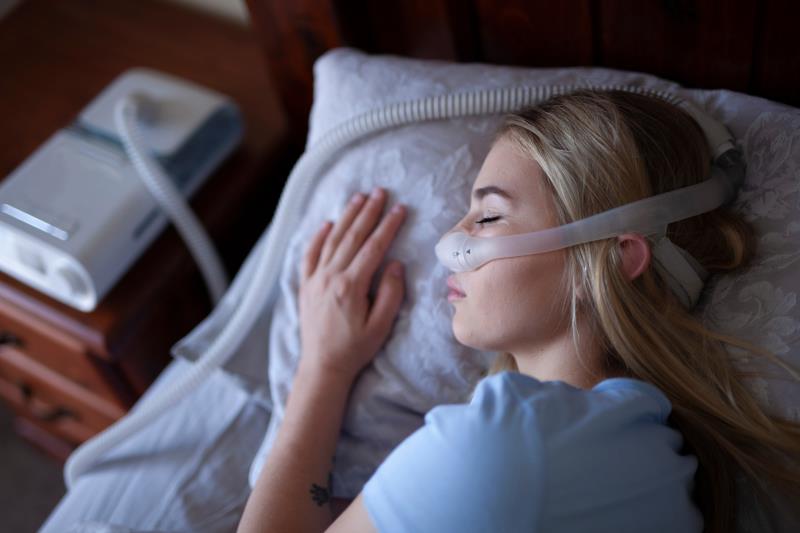
The use of glucagon-like peptide-1 receptor agonists (GLP-1 RAs) in patients with obstructive sleep apnoea (OSA) may reduce the incidence of cerebrovascular events, minimize healthcare use, and lower all-cause mortality, according to a retrospective study.
Researchers used data from the TriNetX US Collaborative Network and identified adults with OSA. Individuals who initiated a GLP-1 RA within 6 months before up to 1 month after OSA diagnosis were matched to those who had no exposure to GLP-1 RAs. Matching was performed based on propensity scores.
Outcomes including ischaemic stroke, intracranial haemorrhage, emergency department visits, inpatient hospitalizations, and all-cause mortality were evaluated at 1, 3, and 5 years.
The analysis included 438,844 patients each in the GLP-1 RA-exposed and nonexposed groups. All outcomes were more favourable in the GLP-1 RA-exposed vs nonexposed group across all time points.
At 1, 3, and 5 years, GLP-1 RA exposure was associated with reduced risks of ischaemic stroke (hazard ratios [HRs], 0.75, 0.83, and 0.87, respectively), intracranial haemorrhage (HRs, 0.44, 0.56, and 0.61, respectively), emergency department visits (HRs, 0.77, 0.86, and 0.87, respectively), inpatient hospitalizations (HRs, 0.59, 0.67, and 0.69, respectively), and all-cause mortality (HRs, 0.38, 0.49, and 0.54, respectively; p<0.001 for all).
Similar associations were observed in subgroups restricted to users of continuous positive airway pressure and those exposed to tirzepatide.
More studies are needed to validate the findings and establish the role of incretin-based therapies as potential adjuncts to standard OSA management.