
Principles of Therapy
The selection of a particular drug will depend on the experience of the clinician and patient, along with the expected adverse reactions. Combination therapy may be necessary to optimize pain control. Medications should be chosen based on their additional potential therapeutic effects.
Pharmacological therapy
Central Neuropathic Pain
First-Line Agents
Anticonvulsants
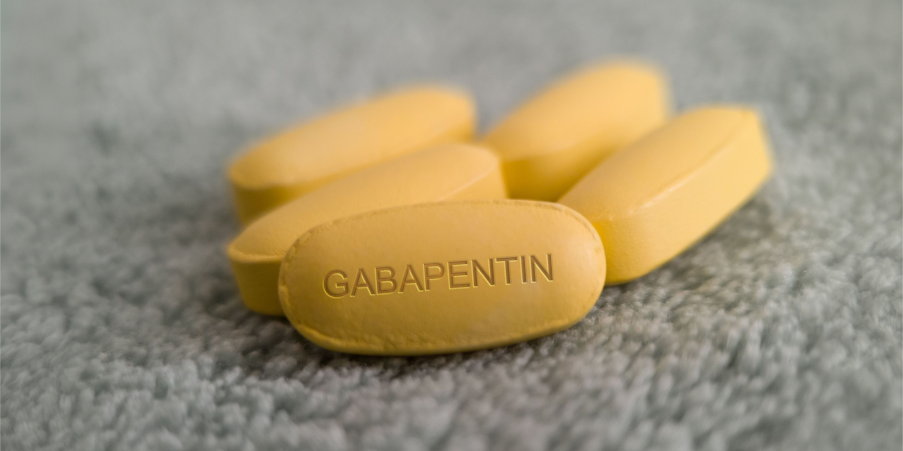
Example drugs: Gabapentin, Pregabalin
 Neuropathic Pain_Management 1
Anticonvulsants bind to presynaptic voltage-gated Ca channels in the dorsal horn, resulting in a decrease in the release of excitatory neurotransmitters such as glutamate and substance P. Pregabalin has a higher affinity for the presynaptic Ca channel and has been shown to provide significant pain relief in chronic central neuropathic pain following spinal cord injury.
Tricyclic Antidepressants (TCAs)
Example drugs: Amitriptyline, Desipramine, Imipramine, Nortriptyline
Tricyclic antidepressants inhibit presynaptic reuptake of serotonin and norepinephrine and block cholinergic, adrenergic, histaminergic, and Na channels. These also block hyperalgesia induced by N-methyl-D-aspartate (NMDA) agonists.
Second-Line Agents
Weak Opioids
Example drug: Tramadol
Weak opioids have low-affinity binding to μ-opioid receptors and weak inhibition of norepinephrine and serotonin reuptake. These are recommended as a second-line treatment for central neuropathic pain. These have a quick onset of pain relief and a less sedative effect. There is a lower risk of abuse than with strong opioid receptor agonists. Consider for short duration of treatment only.
Third-Line Agents
Strong Opioids
Example drugs: Levorphanol, Morphine, Oxycodone
Strong opioids are recommended as third-line treatment due to limited trials assessing long-term safety and abuse potential. These are associated with quick onset of pain relief and is therefore useful for short-term use to treat acute exacerbations or during the titration phase of first-line agents.
Other Agents
Cannabinoids1
Example drugs: Cannabidiol, Tetrahydrocannabinol
Cannabinoids may be considered in central pain in multiple sclerosis only if all other treatments fail.
1Refer to local guidelines on the use of cannabinoids.
Lamotrigine
Lamotrigine blocks the voltage-dependent Na channels, inhibiting presynaptic release of excitatory amino acids. This may be considered in central post-stroke pain or spinal cord injury with incomplete cord lesion and brush-induced allodynia only if all other treatments fail.
Serotonin and Norepinephrine Reuptake Inhibitors (SNRIs)
Duloxetine has been shown to be effective in neuropathic pain due to multiple sclerosis.
Painful Diabetic Peripheral Neuropathy (DPN)
First-Line Agents
Anticonvulsants
Example drugs: Gabapentin, Pregabalin
Gabapentin has similar efficacy as Amitriptyline but with a better side effect profile. The combination of Gabapentin and Nortriptyline for diabetic peripheral neuropathy or postherpetic neuralgia can significantly lower pain scores compared to either treatment alone. Gabapentin monotherapy and Nortriptyline monotherapy have similar efficacy. Pregabalin provides significant pain relief and improved quality of sleep in diabetic peripheral neuropathy. Mirogabalin is a new α2δ ligand that is approved in Japan for the treatment of neuropathic pain.
Serotonin and Norepinephrine Reuptake Inhibitors (SNRIs)
Example drugs: Desvenlafaxine, Duloxetine, Venlafaxine
Serotonin and norepinephrine reuptake inhibitors have highly specific inhibition of serotonin and norepinephrine reuptake, allowing the availability of these neurotransmitters in the synapse. Duloxetine is well-tolerated and not associated with anticholinergic side effects seen in tricyclic antidepressant use; however, it is more expensive than tricyclic antidepressants. Venlafaxine has shown efficacy in clinical trials involving diabetic peripheral neuropathy and mixed painful polyneuropathy.
Tricyclic Antidepressants (TCAs)
Example drugs: Amitriptyline, Desipramine, Imipramine, Nortriptyline
Tricyclic antidepressants are typically considered as first-line agents for painful neuropathies, but use may be restricted by adverse effects. The advantages are that this can address common comorbidities such as insomnia and depression. The disadvantages include the need to do a baseline echocardiogram for patients >40 years old and contraindications in patients at risk for sudden cardiac death or those with a history of cardiovascular disease.
Sodium Channel Blockers
Example drugs: Carbamazepine, Lacosamide, Lamotrigine, Oxcarbazepine, Valproic acid
Oxcarbazepine exerts a non-specific sodium channel blockade and may also have an effect on calcium and potassium channels. This may provide some pain relief in the treatment of peripheral neuropathic pain. Valproic acid can be considered if multiple other effective medications have failed, except for female patients with childbearing potential.
Second-Line Agents
Capsaicin (Topical)
Capsaicin depletes stores of substance P from sensory nerve endings, reducing or abolishing the transmission of painful stimuli from the peripheral nerve fibers to the higher centers. The patient needs to apply this 3-4 times daily and may experience initial skin irritation, which typically improves in 1-2 weeks.
Lidocaine Patches (Topical)
Lidocaine patches have a good safety profile and patient preferences. These decrease the neuronal membrane’s permeability to Na ions, thereby blocking the initiation and conduction of nerve impulses. These can provide pain relief with minimal adverse events and can improve ongoing pain, intensity of allodynia, and quality-of-life measures.
Other Agents
Alpha-lipoic acid (Thioctic acid)
Alpha-lipoic acid decreases oxygen free radicals, thereby influencing the underlying neuropathic process. This decreases pain, paresthesias, and numbness and has a favorable safety profile.
Benfotiamine
 Neuropathic Pain_Management 2
Benfotiamine is a lipid-soluble thiamine derivative that studies show to have improved neuropathic pain in patients with diabetic neuropathy as being a transketolase activator and inhibitor of alternative metabolic pathways implicated in the pathogenesis of hyperglycemia-induced vascular damage.
Botulinum toxin type A
Botulinum toxin type A is a potent neurotoxin that may have analgesic effects by acting on neurogenic inflammation. This has an off-label use for neuropathic pain and other chronic pain conditions. This is also effective in reducing pain in peripheral neuropathy.
Opioids
Opioids are recommended for avoidance of use in patients with a history of substance abuse, respiratory depression, and addiction. Taper off the medication and shift to alternative non-opioid treatment strategies as much as possible.
Tapentadol
Tapentadol is an opioid with noradrenaline reuptake inhibition with low affinity for the μ-opioid receptor. This is ideal for patients requiring continuous, around-the-clock opioid treatment.
Postherpetic Neuralgia (PHN)
First-Line Agents
Anticonvulsants
Example drugs: Gabapentin, Pregabalin
Anticonvulsants are a first-line agent for postherpetic neuralgia, especially in the elderly, in whom tricyclic antidepressants are not well-tolerated. Gabapentin produces significant pain relief and improvement in measures of quality of life and mood. Pregabalin has been shown to significantly decrease pain and improve sleep in randomized placebo-controlled trials (RPCT).
Tricyclic Antidepressants (TCAs)
Amitriptyline, Desipramine, Nortriptyline and Maprotiline have been used successfully, with Amitriptyline as the most widely used tricyclic antidepressant for postherpetic neuralgia. Nortriptyline has been shown to be as effective as Amitriptyline but better tolerated. Many controlled trials have shown the efficacy of tricyclic antidepressants in postherpetic neuralgia.
Second-Line Agents
Capsaicin (Topical)
Capsaicin is recommended as a second-line treatment for postherpetic neuralgia by the International Association for the Study of Pain (IASP) Special Interest Group on Neuropathic Pain (NeuPSIG) due to its relatively small effective size. This provides significant pain relief, but patient response can be delayed. Discomfort and burning sensation may limit patient compliance.
Lidocaine (Topical)
Lidocaine is generally recommended as a second-line treatment for postherpetic neuralgia by the IASP NeuPSIG due to the low quality of evidence. This is recommended as first-line treatment by the IASP NeuPSIG for the elderly frail patients, in whom there are concerns for central nervous system adverse reactions from oral medications. Five randomized placebo-controlled trials in postherpetic neuralgia supported the efficacy of Lidocaine patches with brush-induced allodynia. Lidocaine gel (5%) has been shown to give significant pain relief in postherpetic neuralgia for up to 8 hours.
Tramadol
Tramadol is a weak opioid and a mixed serotonin-noradrenaline reuptake inhibitor found in studies to be an alternative if first-line oral monotherapies are ineffective. This is recommended as second-line treatment for postherpetic neuralgia by the IASP NeuPSIG due to potential safety concerns. Consider for short duration of treatment only.
 Neuropathic Pain_Management 3
Third-Line Agents
Botulinum Toxin Type A
Botulinum toxin type A has an off-label use for neuropathic pain and other chronic pain conditions. This may be used in refractory cases.
Opioids
Example drugs: Methadone, Morphine, Oxycodone
Opioids are generally recommended as third-line treatment due to abuse potential and side effects that include endocrine effects. These have similar efficacy compared to tricyclic antidepressant but are associated with adverse events that lead to frequent discontinuation. A combination of Oxycodone and Morphine can provide a significant reduction in pain intensity, with variable improvement in sleep and disability.
Oxcarbazepine
Oxcarbazepine may be considered in patients with the irritable nociceptor phenotype.
If adequate pain control is not achieved using pharmacological agents discussed above, consider expert referral to a pain medicine specialist for alternative therapy.
Alternative therapy includes NMDA-receptor antagonists, intrathecal steroids, IV adenosine 5’-triphosphate, or combination therapy.
Trigeminal Neuralgia (TN)
First-Line Agents
Carbamazepine
Carbamazepine is the drug of choice, but efficacy may be compromised by poor tolerability and pharmacokinetic interactions. This reduces the frequency and intensity of painful paroxysms and has equal efficacy for spontaneous and trigger-evoked attacks.
Oxcarbazepine
Oxcarbazepine is typically better tolerated than Carbamazepine due to decreased potential for drug interactions. This has similar efficacy to Oxcarbazepine with Carbamazepine on the number of attacks and global assessment.
If refractory to Carbamazepine and Oxcarbazepine, second-line agents may be added to the treatment regimen for trigeminal neuralgia.
Second-Line Agents
Baclofen may reduce the number of painful paroxysms in trigeminal neuralgia. Lamotrigine may be used solely or as an effective add-on therapy.
Other Agents
Other agents may be considered when treatment with all the above first- and second-line agents is unsuccessful. Other anticonvulsants (eg Clonazepam, Gabapentin, Phenytoin, Pregabalin and Valproate) may be considered. Botulinum toxin type A may be beneficial in patients with pharmacologically refractory TN, although there is limited data. These have off-label use for neuropathic pain and other chronic pain conditions.
Nonpharmacological
PATIENT EDUCATION
Central Neuropathic Pain
The patient should be given adequate information regarding central neuropathic pain, including its underlying cause. If the patient suffers from allodynia, application of a protective layer (eg cling film) between the skin and clothing may be helpful. This may be beneficial to those living in areas with cold weather; this is not recommended in hot, humid environments. Peripheral nerve desensitization technique and sensory re-education/retraining can be employed through physical therapy and occupational therapy, respectively. This can be facilitated in healthcare facilities (hospital-based or free-standing clinic) and at home.
Painful Diabetic Peripheral Neuropathy (DPN)
The patient should be educated about the following: Mechanisms of diabetic peripheral neuropathy and what is currently known and unknown; importance of optimal glycemic control; available management; regular checkups and laboratory follow-up; and expected outcomes.
Patient Counselling
 Neuropathic Pain_Management 4
Patients should be counseled on how to optimize their glycemic control through: Well-balanced diet; reduced physical inactivity; regular exercise on most days of the week; glucose monitoring; and adherence to maintenance medication (eg oral antidiabetics and/or insulin use) and pain medication. Help the patient understand that complete pain relief may not be achieved despite the best efforts of the patient or physician. Inform patients of possible adverse effects from medications and any potential for abuse or development of tolerance.
Postherpetic Neuralgia (PHN)
Explain the current pathophysiology, locally available management, and possible prognosis of postherpetic neuralgia to help alleviate anxiety about the disorder. Educate about the effects of treatment and its side effects, and if there is a need for laboratory monitoring. Encourage social and physical activities.
Trigeminal Neuralgia (TN)
Explain the current pathophysiology, locally available management, and possible prognosis of trigeminal neuralgia to help alleviate anxiety about the disorder. Educate about the effects of treatment and its side effects and if there is a need for laboratory monitoring. Encourage social and physical activities.
LIFESTYLE MODIFICATION AND OTHER THERAPIES
Central Neuropathic Pain
Psychological Approaches
Psychological or behavioral therapy may be of benefit in some patients with central neuropathic pain.
Painful Diabetic Peripheral Neuropathy (DPN)
Optimize Glycemic Control
Tight glucose control in patients with diabetes mellitus is beneficial because it can delay the onset of diabetic polyneuropathy and help to slow its progression. The benefits of intensive insulin therapy usually outweigh the risks. Observe caution in the elderly because they are more susceptible to hypoglycemia.
Proper Foot Care
 Neuropathic Pain_Management 5
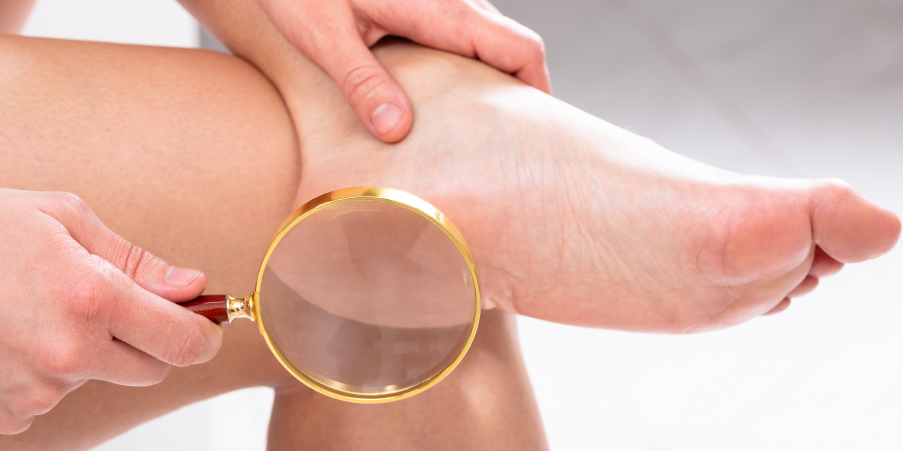
Daily foot inspection with the use of a handheld mirror or the help of a family member or carer. Acceptable foot hygiene should be done. Appropriate footwear with seamless-fitting socks or hosiery that is changed daily is recommended, such as prefabricated well-fitted walking shoes or athletic shoes or custom-made shoes. Footwear should cushion and distribute pressure evenly on foot surfaces.
Referral to Healthcare Professionals
Primary care physician (PCP) (eg family medicine, internist, endocrinologist, neurologist, pain medicine specialist, and/or vascular medicine specialist) referral may be done for optimization of medical and pain management and tetanus prophylaxis in case of the presence of diabetic foot ulcer. Referral to a surgeon (eg general surgeon, orthopedic surgeon, and/or thoracic and cardiovascular surgeon) may be done whether revascularization or amputation is necessary or not; refer if with trauma, cellulitis, or acute ischemia of the foot.
A Physical Medicine and Rehabilitation (PMR) doctor, or physiatrist, may assess the body impairments, activity, and community participation; identify facilitators or barriers of PMR management; and coordinate medical, surgical, and PMR services. Physiatrists may prescribe the following: Assistive rehabilitation technology (ART) such as mobility aids, adaptive devices, and/or orthotic devices; therapeutic exercises and activities through physical therapy and occupational therapy, respectively; and physical modalities, both the conventional and innovative technologies.
Psychological Approaches
Assess and, if present, manage concurrent mood and sleep disorders. Cognitive behavioral therapy (CBT) may be of benefit in reducing pain severity.
Alternative and Experimental Therapies
Acupuncture may relieve pain and/or reduce the need for pain medications in selected patients. This should be done by a trained and competent health professional due to possible serious adverse effects (eg pneumothorax, hemorrhage, cardiac tamponade, life-threatening infections). Transcutaneous electrical nerve stimulation (TENS) is a mild electrical stimulation through the application of surface electrodes over the painful area that generates heat that relieves stiffness and improves mobility. Interferential therapy (IFT) uses the strong physiological effects of low-frequency electrical stimulation of nerves to provide pain relief in diabetic peripheral neuropathy. Spinal cord stimulation has high costs and risks. Frequency-modulated electromagnetic neural stimulation may be helpful but with limited evidence of efficacy. Repetitive magnetic transcranial stimulation (rTMS) uses transient magnetic fields to produce electrical currents in the cortex; this is not widely available for clinical use.
Postherpetic Neuralgia (PHN)
Referral
Consult a primary care physician if the zoster vaccine is needed to prevent recurrence.
Physical Medicine and Rehabilitation
The management may be considered similar to diabetic peripheral neuropathy.
Psychological Approaches
Cognitive behavioral therapy, relaxation training, biofeedback, and self-hypnosis techniques may help in managing intractable postherpetic neuralgia.
Surgery
For patients with trigeminal neuralgia refractory to medical therapy, early surgical therapy may be considered. Prior to considering surgery, eligible patients should have an MRI to eliminate other causes of compression of the trigeminal nerve.
Peripheral Techniques
Peripheral techniques involve blocking or destroying portions of the trigeminal nerve distal to the Gasserian ganglion. There is low morbidity, but 50% have pain recurrence after a year.
Percutaneous Procedures on Gasserian Ganglion
Examples of percutaneous procedures on the Gasserian ganglion are radiofrequency thermocoagulation, balloon compression rhizotomy, and percutaneous retro-Gasserian glycerol rhizotomy. These are indicated for elderly patients, those with multiple sclerosis (MS), those with impaired contralateral hearing, and those with recurrent pain after microvascular decompression. The possible outcomes include: for balloon compression, 68% remain pain-free after long-term follow-up; for percutaneous trigeminal radiofrequency, 98% of patients experience initial pain relief and recurrence in 15-20% of patients within 12 months (the pain-free period is reported at 4-5 years); and for radiofrequency thermocoagulation, this produces higher rates of complete pain relief but is also associated with higher rates of facial numbness and corneal insensitivity. A median of 58% (range 26-82%) of patients remain pain-free after long-term follow-up. Severe facial numbness or anesthesia dolorosa and corneal numbness with keratitis occur in around 4% of patients.
Microvascular Decompression
Microvascular decompression involves craniotomy to reach the trigeminal nerve in the posterior fossa and identification and moving out of the blood vessels compressing the trigeminal nerve. This is the preferred procedure for young patients with typical trigeminal neuralgia. The advantage is that this provides the longest duration of pain relief while preserving facial sensation. Observational studies have shown a median of 77% (range 62-89%) of patients remain pain-free at 10-12 years of follow-up. The disadvantages include: Major neurosurgical procedures with possible complications, including facial numbness (3-29% rates), aseptic meningitis, hearing loss, cerebrospinal fluid (CSF) leaks, infarcts, hematomas, and transient diplopia; an association with a 0.5% mortality rate and 3-29% facial numbness rates; and an increased risk for severe complications in older age groups.
Gamma Knife Stereotactic Radiosurgery
Gamma knife stereotactic radiosurgery delivers a focused beam of radiation at the trigeminal root in the posterior fossa that provides variable onset of pain relief with an average time of 1 month or a median time of 2 weeks after treatment. This is a surgical option for patients with comorbidities, high-risk medical illnesses, or pain refractory prior to surgical procedures. The advantages include: Being the least invasive procedure for trigeminal neuralgia; adequate pain relief were 75%, 60% and 58% at 1, 3, and 5 years, respectively; and pain-free period is reported at 3-4 years. The disadvantages are the most common adverse effects such as facial numbness and paresthesia.