Ambient air pollution ups ARDS, mortality risks in COVID-19 patients
a day ago
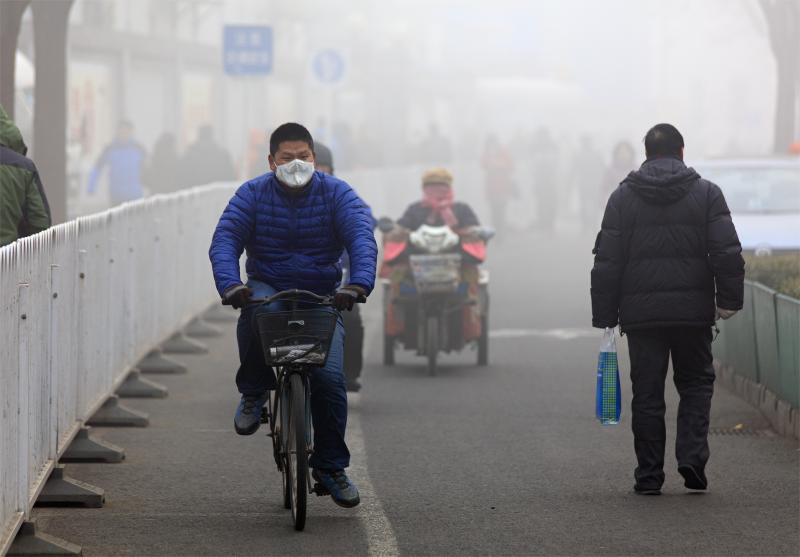
Short- and long-term exposure to ambient air pollution may worsen COVID-19 outcomes, including acute respiratory distress syndrome (ARDS) and mortality, suggests a study.
A total of 1,867 hospitalized patients from a multicentre Korean cohort were included in the analysis. The researchers assessed individual-level exposure to five air pollutants (ie, SO2, CO, NO2, PM10, and PM2.5) over short- (3 days) and long-term (3 years) periods.
Models adjusted for clinical and meteorological factors were used to assess the risks of ARDS and 30-day mortality. The researchers also analysed pollutant exposure both as quartiles and continuous variables to estimate the effects per unit increase.
Short-term exposure to CO appeared to contribute to increased ARDS incidence (per 0.1 ppm increase odds ratio [OR], 1.18) and 30-day mortality (hazard ratio [HR], 1.15).
Long-term exposures to NO2 (per 1 ppb OR, 1.11) and PM10 (per 10 μg/m3 OR, 2.24) also correlated with a greater likelihood of ARDS incidence. A higher risk of mortality was also observed with short-term exposures to NO2 (per 1 ppb HR, 1.02) and PM2.5 (per 10 μg/m3 HR, 1.14).
These results persisted in quartile-based analyses.
“CO, often overlooked in pollution surveillance, showed the most consistent impact,” the researchers said. “These findings highlight the importance of air quality in pandemic preparedness and public health policy.”