Real-world data confirm effectiveness of dupilumab in eosinophilic esophagitis
10 Jun 2026
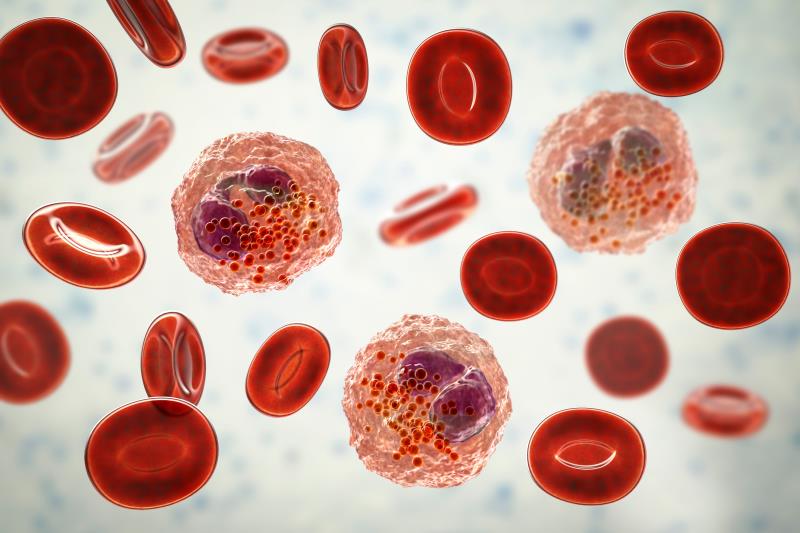
Dupilumab has been shown to reduce symptomatic, endoscopic, and histological eosinophilic esophagitis (EoE) markers for patients treated in routine practice, as shown in the retrospective DUPEOETALY study.
DUPEOETALY included 167 EoE patients (median age 21.5 years, 77.8 percent male, median age at diagnosis 17 years, median BMI was 21.63 kg/m2) treated at 50 Italian centres. These patients had shown no response or had intolerance to conventional therapies and were given dupilumab through compassionate use or off-label programs before its regulatory approval.
Outcomes such as Dysphagia Symptom Questionnaire (DSQ) score, EoE Endoscopic Reference Score (EREFS), and eosinophil count per high-power field (Eos/HPF) were evaluated at baseline, 12, 24, 36, 48, 60, and 72 weeks.
At baseline, 76 percent of patients had a personal history of atopy, 86.2 percent had used corticosteroids, and 94 percent had used proton pump inhibitors. Over time, substantial improvements were observed for all outcomes.
DSQ score dropped from 22.14 to 0.21, EREFS decreased from 4.95 to 0.07, and Eos/HPF declined from 36.80 to 0.06, with the improvements being commensurate with treatment duration.
By week 72, 98.3 percent of patients met the remission criteria (DSQ ≤5, Eos/HPF ≤15, and EREFS ≤2). Baseline demographics and prior therapies did not influence the results.
In terms of safety, adverse events were minimal, with rates decreasing from 3.8 percent at week 12 to 0 percent at week 60.