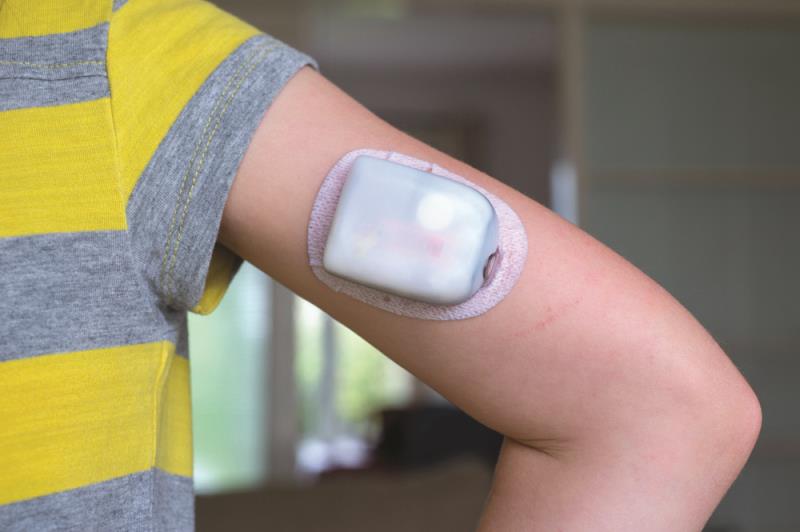
A Hong Kong territory-wide study has found that despite improved glycaemic outcomes and device reimbursement, use of continuous glucose monitoring systems (CGMS) and/or automated insulin delivery (AID) systems remains suboptimal in patients ≤18 years old with type 1 diabetes (T1D), particularly among adolescents, alluding to barriers beyond cost.
The study analyzed trends in utilization of diabetes management technology and associated glycaemic outcomes from 2018 to 2023 in children with T1D from the Hong Kong Childhood Diabetes Registry, a Hospital Authority (HA) database of all children ≤18 years old diagnosed with diabetes. [J Pediatr Endocrinol Metab 2026;39:251-257]
Regular CGMS use (defined as usage for >80 percent of the time in a year) increased from 10.7 percent in 2018 to 41.7 percent in 2023. Use of AID systems also increased from 5.9 to 9.6 percent. Government funding for eligible children through the territory-wide “Paediatric Diabetes Enhancement Program with CGM Support” since 2020, and charitable initiatives by non-government organizations (NGOs) providing territory-wide CGMS for all young people with diabetes since 2022, likely spurred the increased uptake.
The greatest increase in CGMS use was in children aged 6–11 years, which was up 42 percent from 2018, vs 30.2 percent increase in preschoolers (aged <6 years) and 29.1 percent increase in adolescents (aged 12–18 years). Those aged 6–11 years also had the highest CGMS utilization rate (60.6 percent) in 2023 among the three age groups. Utilization rates of both CGMS and AID systems were lowest in the adolescent group (36.4 and 8.8 percent, respectively). Utilization rates of AID systems were 17.6 percent in preschoolers, and 11.3 percent in those aged 6–11 years.
Glycaemic outcomes were significantly better in 2023 than in 2018: mean HbA1c for all children was significantly lower in 2023 (8.0 vs 8.3 percent; p<0.05), fewer children (16.6 vs 25.4 percent; p<0.05) had HbA1c >9 percent, and the rate of diabetic ketoacidosis was also significantly lower (2.8 vs 7.2 percent; p<0.05).
Compared with non-regular CGMS users, regular CGMS users had better glycaemic outcomes (mean HbA1c, 7.6 vs 8.2 percent; p<0.05). However, there were no significant differences in rates of micro/macrovascular complications or severe hypoglycaemic events between the two groups.
The authors noted that the improved metabolic outcomes observed in this study align with growing evidence that increased use of CGMS in children with T1D leads to better glycaemic outcomes. However, despite the proven benefits of diabetes technologies, their increased accessibility through government and NGO support, and technological advancements resulting in improved accuracy and user experience, utilization remains low, particularly among adolescents.
“This pattern is consistent with international data showing delayed initiation and inconsistent use of diabetes technology among adolescents with T1D compared with young children and adults,” the authors noted. “Factors such as perceived stigma, device visibility and competing priorities during adolescence may hinder technology acceptance and lead to inconsistent use. Further research is needed to identify these barriers and develop targeted strategies to enhance utilization.”
“Tailored educational initiatives that enhance diabetes self-efficacy with device use, such as peer support groups, along with active engagement of adolescents in device selection, are crucial to improving acceptance of diabetes technologies and fostering autonomy in diabetes care in this group of patients,” suggested the authors.