Obesity in Malaysia has reached a critical level. Over half of adults are affected by overweight or obesity, with women facing a disproportionate burden. This burden is shaped by biological, social, and structural factors.
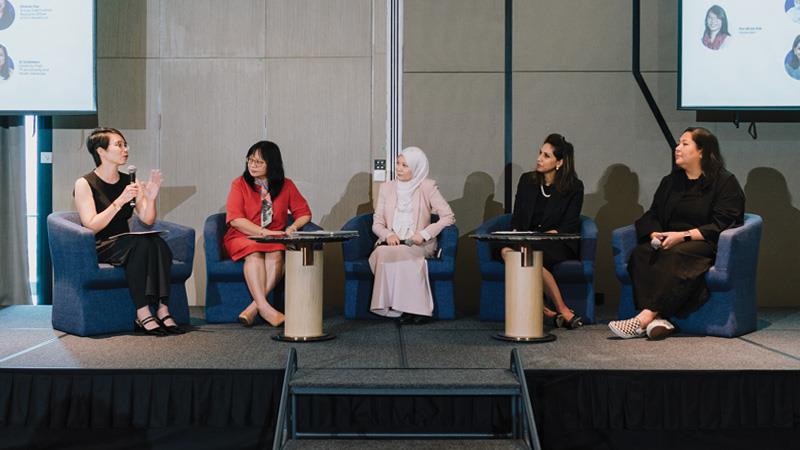
At a recent media event held in conjunction with International Women’s Day and World Obesity Day, clinicians, corporate leaders, and public advocates alluded to a persistent gap in understanding obesity in women. For many women, obesity reflects biological and environmental pressures—not a failure of discipline.
The session featured Professor Dr Rohana Abdul Ghani, President of the Malaysian Obesity Society and senior consultant endocrinologist, alongside Sharon Foo, Group Chief Human Resource Officer of IHH Healthcare, and Shireen Kandiah, Director of Branding, Marketing and Sustainability at the Asian Institute of Chartered Bankers. Ili Sulaiman, celebrity chef and health advocate, also contributed to the discussion. The session was helmed by Dr Praful Chakkarwar, General Manager of Novo Nordisk Malaysia.
Obesity: A misunderstood disease
Obesity is now widely acknowledged by the medical profession as a chronic, complex condition. However, public perception has not evolved to reflect this shift.
Praful highlighted this persistent disconnect i.e., healthcare professionals see obesity as a medical condition, but the public still tends to see it as a failure of willpower. This delays care, as many individuals attempt to manage their condition independently rather than seek professional support.
As a result, many people with obesity feel that the management of their illness is solely their responsibility, a misconception that delays their engagement with healthcare services and restricts access to evidence-based interventions. The result is a vicious cycle where they are stuck in a loop of weight reduction, regression, and ultimately withdrawal from treatment.
The biology of weight gain in women
Women face distinct metabolic challenges across different stages of life. Rohana highlighted the crucial impact of hormonal fluctuations as a contributing factor in weight gain.
Polycystic ovarian syndrome (PCOS) and situations such as pregnancy, postpartum recovery, and menopause are associated with metabolic alterations that increase women’s susceptibility to weight gain and retention. Weight gain during these phases is often perceived as normal, thereby obscuring the need for intervention. Postpartum weight retention may persist, potentially due to caregiving obligations.
While global (WHO) body mass index (BMI) standards define obesity as ≥30 kg/m2, Asian BMI guidelines use lower thresholds (≥25 kg/m2 or ≥27.5 kg/m2) because Asian populations often develop metabolic risks such as diabetes, at lower body weights. The application of local BMI standards magnifies the seriousness of the issue as prevalence rates reach 70 to 80 percent of people living with overweight and/or obese, indicating that excess weight is the norm rather than the exception among Asian and Malaysian women. This reframes obesity as a broader public health issue rather than an individual concern.
The unseen sacrifices of modern women
In addition to biological factors, the everyday difficulties faced by women surfaced as a key focus of the discourse. Modern women frequently navigate multiple, often conflicting, responsibilities. They are professionals in a demanding workplace, caregivers supporting children and ageing parents, and individuals expected to maintain social and familial responsibilities. These roles rarely exist in isolation.
Foo noted the cumulative demands of work and home often leave women with limited time and energy. Preventive care becomes secondary to immediate responsibilities and health is frequently deferred until symptoms of illness can no longer be ignored.
Workplace environments that overly emphasise productivity and achievement further exacerbate this issue. Here, the act of prioritising self-care can be construed as a lack of dedication, thereby deterring women from adopting preventive health practices. As a result, women neglect their health due to the conflicting obligations.
Stigmatisation, identity, and the psychological toll are also significant factors.
For many women, body weight is more than a mere health measurement; it is closely linked to their sense of self, self-worth, and societal approval. Shireen also highlighted how societal pressures and media representations contribute to the perpetuation of narrow definitions of beauty and achievement.
These demands persist in professional environments. Perceived body image can affect recruiting decisions, leadership prospects, and workplace credibility often via subtle and implicit biases. On a personal level, stigma can result in internalised judgment. Women may perceive that they are not doing enough despite making consistent attempts to enhance their health. This notion may inhibit open discussions and delay seeking of care. Despite the initiation of (weight) therapy, they may keep it a secret owing to the fear? of judgment, underscoring the necessity for a more supportive and non-stigmatising healthcare setting.
Building a system that shapes better behaviour
One of the recurring themes from the event was that obesity cannot be addressed through individual effort alone. In Malaysia, food is fundamental to social engagement, festivities, and cultural identity. This cultural richness, while desirable, may also pose obstacles to dietary control and modification.
At the same time, structural factors influence daily decisions. Nutritious food alternatives are sometimes regarded as costlier, whilst urban areas may not be conducive for physical exercise.
Workplaces offer a potential point of intervention—organisations that prioritise employee well-being via policies, infrastructure, and cultural transformation can foster settings conducive to healthy behaviours.
Some of the possible efforts companies can take include subsidised nutritious meal alternatives, occupational fitness initiatives, and initiatives that build psychological safety. These small but important steps signal a shift from individual responsibility to shared accountability.
Bridging the gaps in treatment
Despite the growing recognition of obesity as a chronic disease, gaps in treatment persist. Worldwide, women are more inclined to engage in lifestyle intervention but paradoxically, they may be less likely to receive pharmacological treatment. This highlights the broader issues of availability, awareness, and public perceptions towards the medical management of obesity.
The discussion highlighted the necessity of standardising obesity treatment with other chronic ailments. Thus, seeking professional assistance should not be regarded as the last option, but rather as a fundamental component of care.
Equally important is the need to address misconceptions around treatment. Effective management often requires a combination of lifestyle modification, behavioural support, and pharmacotherapy tailored to the individual’s needs.
In conclusion, healthcare systems must enhance accessibility to evidence-based therapies. Workplaces must cultivate conditions that promote well-being. Communities must confront stigma and advocate for healthier norms.