Survey reveals gaps between perceived and actual diabetes control in Malaysia
15 Apr 2026
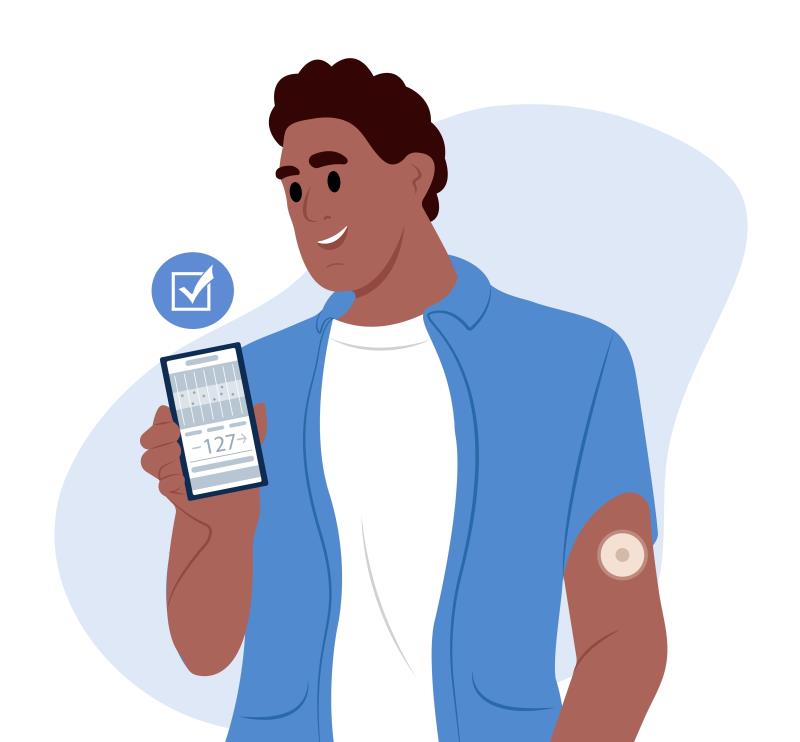
A recent survey by Abbott reveals a disconnect between perceived and actual diabetes control among Malaysians, despite high rates of self-monitoring.
While 90 percent individuals with type 2 diabetes claim to perform regular glucose monitoring, nearly 40 percent are unable to recall their HbA1c levels, which is a key indicator of long-term glycaemic control. This gap suggests that frequent testing does not necessarily translate into meaningful disease awareness or optimal management.
Confidence levels high despite uncertainty of sugar level
Additionally, the survey found that 77 percent of individuals who are unsure of their glucose levels still believe they manage their diabetes well. This misplaced confidence may be partly due to reliance on traditional finger-prick testing, which provides only single-point glucose readings without actually reflecting trends or variability of sugar levels. Without long term data, patients may overestimate their level of control.
However, unlike finger-prick testing, continuous glucose monitoring (CGM) offers dynamic glucose profiling throughout the day, enabling more informed clinical and lifestyle decisions.
Diet awareness is high, but festive periods remain challenging
Most respondents demonstrated awareness of the role of diet in glycaemic control as 85 percent recognised the impact of food choices and 50 percent reported reducing carbohydrate intake following diagnosis
However, translating this knowledge into practice remains inconsistent as 78 percent reported better diabetes control during non-festive periods, compared with only 39 percent during festive seasons. Additionally, individuals on insulin therapy reported greater difficulty maintaining control during these periods.
Social media was a major source of dietary information, with nearly 90 percent of respondents relying on online platforms, raising concerns about the quality and consistency of guidance.
Medication adherence is high, but physical activity is not
Encouragingly, the survey found that 70 percent of respondents reported adhering to prescribed medications. Even so, physical activity remains suboptimal as only 20 percent exercised regularly (≥5 days/week) and nearly 80 percent did not meet the recommended 150 minutes of weekly activity.
These findings are consistent with national data indicating a high prevalence of sedentary lifestyles among Malaysian adults. [Healthcare (Basel) 2025;13(22):2978]
Healthcare professionals remain key sources of trust
Despite widespread use of digital platforms, 76 percent of respondents rely on healthcare providers for diabetes-related information, with dietitians being among the most trusted sources after doctors.
This reflects the continued importance of structured patient education and clinician-led guidance in diabetes care.
Bridging the gap between awareness and outcomes
Although awareness of diabetes management principles appears high, outcomes remain suboptimal. Only about 35 percent of Malaysians achieve the Ministry of Health target of HbA1c ≤6.5%.
The survey findings suggest that monitoring practices lack context and interpretation. Further, lifestyle interventions are inconsistently applied, and patients may overestimate their level of control.
Thus, improving diabetes outcomes will require a shift from episodic monitoring to data-driven, continuous management, supported by patient education and appropriate use of technology.