GLP‐1RA offers cardiovascular, survival benefits in high-risk population
6 hours ago
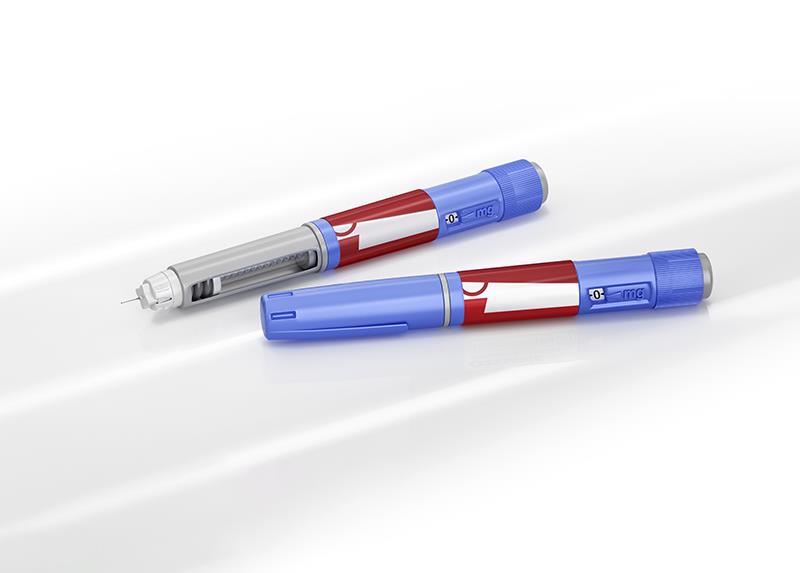
The use of glucagon‐like peptide‐1 receptor agonists (GLP‐1RAs) among adults with obesity and concomitant autoimmune diseases appears to lower the incidence of thromboembolic events, emergency department visits, and mortality, according to a study.
Researchers conducted a target trial emulation study using electronic health record data from the OneFlorida+ network. They identified adults with autoimmune diseases and obesity who were eligible for weight-loss medications.
The primary outcomes were myocardial infarction, stroke or transient ischaemic attack, pulmonary embolism, venous thromboembolism, and coronary revascularization. Hospitalization, emergency department visits, and all‐cause mortality were assessed as secondary outcomes.
The analysis included 13,204 GLP‐1RA users and 13,204 nonusers, matched according to time‐dependent propensity scores. The mean age of the cohort was 54.7 years, and 73.4 percent were women. The mean BMI was 37 kg/m2.
Compared with nonusers, GLP‐1RA users had a significantly reduced risks of stroke/transient ischaemic attack (hazard ratio [HR], 0.87, 95 percent confidence interval [CI], 0.76–0.99; p=0.039), pulmonary embolism (HR, 0.69, 95 percent CI, 0.56–0.86; p=0.001), venous thromboembolism (HR, 0.83, 95 percent CI, 0.72–0.95; p=0.007), emergency department visits (HR, 0.79, 95 percent CI, 0.75–0.83; p<0.001), and mortality (HR, 0.56, 95 percent CI, 0.47–0.66; p<0.001).
These findings indicate that GLP‐1RAs offer potential cardiovascular and survival benefits in this high‐risk population.