
Introduction
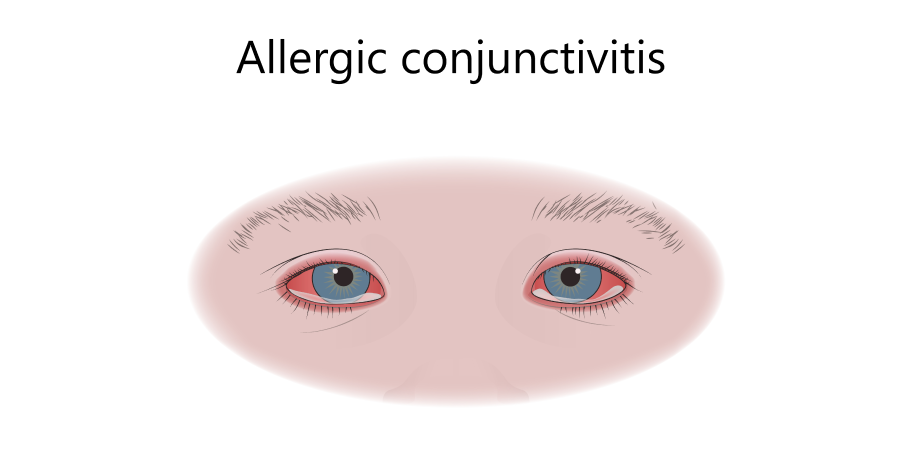 Conjunctivitis - Allergic, Seasonal and Perennial_Disease Background
Allergic conjunctivitis is an inflammation of the conjunctiva caused by airborne allergens, presenting in acute, intermittent, or chronic forms with symptoms such as itching, excessive tearing, eye discharge, and redness (pink eye). This is a recurrent condition that is often associated with allergic rhinitis, dry eye, and meibomian gland dysfunction (MGD) with hyperproduction of mucin.
Epidemiology
The prevalence of allergic conjunctivitis worldwide is variable, ranging from 6%-30%. Allergic conjunctivitis commonly begin around age 20 and tends to lessen with age. This is more common in hot, humid tropical climates.
Allergic conjunctivitis affects about 40% of the North American population each year. Asia has one of the highest prevalences of allergic conjunctival disease, with Japan being the most prevalent. The International Study of Asthma and Allergies in Childhood (ISAAC) showed that the prevalence of allergic diseases like rhinoconjunctivitis varies widely by region, with the highest rates in Africa and Latin America and the lowest in Northern and Eastern Europe, and urban areas such as Ho Chi Minh City, Bangkok, and Hong Kong tend to have higher prevalence than nearby regions.
Pathophysiology
Allergic conjunctivitis is a classic type I immunoglobulin E (IgE)-mediated hypersensitivity reaction caused by direct exposure of the ocular mucosal surface to environmental allergens. Upon exposure, the triggering antigens couple to reaginic antibodies (IgE) on the cell surface of mast cells and basophils, initiating an immediate hypersensitivity response. This leads to the release of histamines which cause capillary dilation and increased vascular permeability, resulting in conjunctival injection and swelling. Additionally, stimulation of sensory nerve endings produces symptoms such as itching and pain.
Risk Factors
Risk factors for developing allergic conjunctivitis include a personal or family history of atopic conditions such as asthma, allergic rhinitis, and atopic dermatitis. Environmental and climatic factors, including pollution, pests, molds, and pollen exposure, also contribute to disease development. In addition, long-term contact lens use and positive allergy test results, such as skin prick testing, are associated with an increased risk of allergic conjunctivitis.
Classification
Seasonal Allergic Conjunctivitis (SAC)
Seasonal allergic conjunctivitis is also known as hay fever conjunctivitis. This is the most common form of allergic conjunctivitis in temperate climates. This usually occurs and recurs at a certain period of the year (eg summer). Seasonal allergic conjunctivitis is triggered by transitory allergens (eg tree or grass pollens) and is subjectively more severe than perennial allergic conjunctivitis.
Perennial Allergic Conjunctivitis (PAC)
Perennial allergic conjunctivitis manifests and recurs throughout the year with no seasonal predilection. This is most common in tropical climates. House dust mites, fungal spores, animal dander, and feathers are the major allergens implicated in perennial allergic conjunctivitis.